

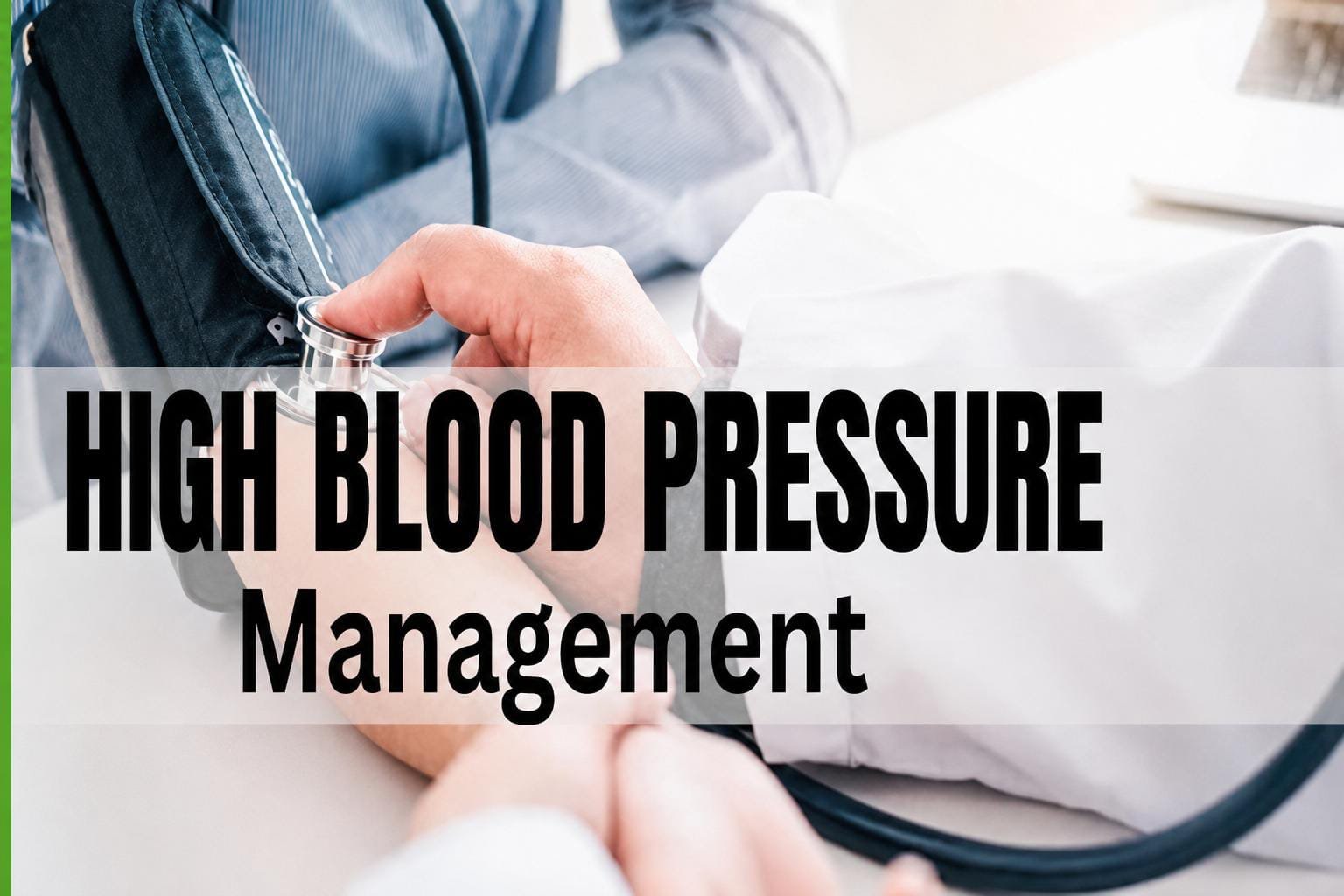
High blood pressure, also known as hypertension, is a common health condition that increases the risk of heart disease, stroke, and kidney problems. The good news is that making healthier food choices can help manage blood pressure naturally. A balanced diet, combined with regular exercise and a healthy lifestyle, can make a significant difference.
1. Reduce Your Salt Intake
Too much sodium can cause your body to retain water, leading to higher blood pressure. Limit processed foods, canned soups, fast food, and salty snacks. Instead, use herbs, spices, lemon juice, or garlic to add flavor to your meals.
2. Eat More Fruits and Vegetables
Fresh fruits and vegetables are rich in potassium, which helps balance sodium levels in the body. Bananas, oranges, spinach, tomatoes, broccoli, and sweet potatoes are excellent choices.
3. Choose Whole Grains
Replace refined grains with whole grains like brown rice, oats, quinoa, and whole wheat bread. They provide fiber and nutrients that support heart health.
4. Include Lean Proteins
Opt for lean protein sources such as fish, skinless chicken, beans, lentils, and low-fat dairy products. Fatty fish like salmon also provide heart-healthy omega-3 fatty acids.
5. Limit Sugary Foods and Drinks
Excess sugar can contribute to weight gain, which may increase blood pressure. Replace sugary beverages with water, herbal tea, or fresh fruit-infused water.
6. Eat Healthy Fats
Choose healthy fats from avocados, nuts, seeds, and olive oil while limiting saturated and trans fats found in fried and processed foods.
Conclusion
Managing high blood pressure starts with healthy eating habits. By reducing salt, eating more fruits and vegetables, choosing whole grains, and limiting processed foods, you can support healthy blood pressure levels and improve your overall well-being. Pair these dietary changes with regular physical activity and routine health check-ups for the best results.