
PCOS (Polycystic Ovary Syndrome) is a hormonal condition that can affect periods, hormones, metabolism, weight, and fertility. While there is no single diet that can cure PCOS, the right eating habits can support overall health and help manage some PCOS-related concerns.
The key is not extreme dieting, it’s building a balanced and sustainable lifestyle.
How Can Diet Help With PCOS?
1. Supports Blood Sugar Management
Some women with PCOS experience insulin resistance. Choosing meals with protein, fiber, vegetables, healthy fats, and nutritious carbohydrates can support better blood sugar management.
2. Helps With Healthy Weight Management
For women who are trying to manage their weight, a balanced diet can support gradual and sustainable weight management. Even small, consistent lifestyle changes can be beneficial.
3. Provides Essential Nutrients
A diet rich in vegetables, fruits, whole grains, legumes, lean proteins, nuts, and seeds provides nutrients that support overall health.
4. May Help With Cravings
Balanced meals that include protein and fiber can help keep you satisfied and may make it easier to manage frequent hunger and sugar cravings.
What Should You Eat With PCOS?
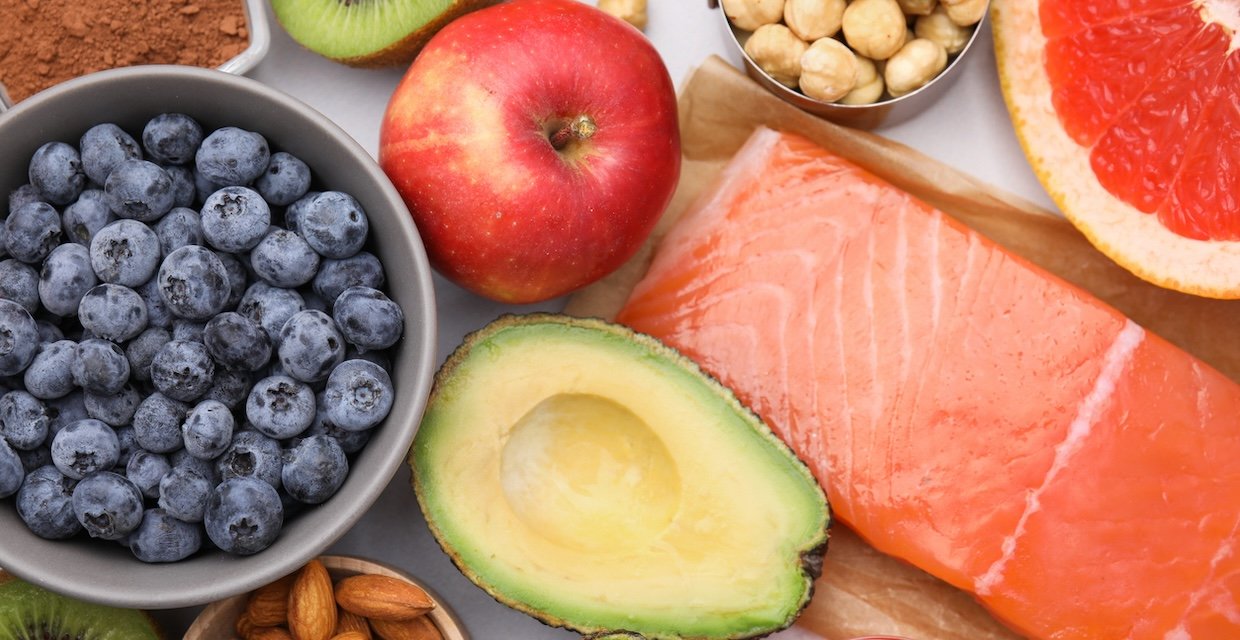
There is no universal “PCOS diet,” but you can focus on:
- 🥦 Plenty of vegetables
- 🍗 Protein-rich foods such as eggs, chicken, fish, beans, and lentils
- 🌾 High-fiber carbohydrates such as oats and whole grains
- 🥜 Nuts and seeds
- 🍓 Whole fruits
- 🥑 Healthy fats
You don’t necessarily need to completely eliminate carbohydrates or your favorite foods. Portion size, food quality, and overall dietary patterns matter.
What Should You Limit?
Try to reduce frequent consumption of:
- Sugary drinks
- Foods high in added sugar
- Highly refined carbohydrates
- Highly processed foods
The goal isn’t perfection. It’s creating habits you can maintain long term.
Don’t Forget Physical Activity
Diet works best as part of an overall healthy lifestyle. Regular physical activity can support metabolic health, fitness, and overall wellbeing.
Walking, strength training, swimming, cycling, or any activity you enjoy can be a good place to start.
Conclusion
Can diet help manage PCOS? Yes but there is no magic food or perfect PCOS diet. Focus on balanced meals, nutritious foods, regular movement, and sustainable habits rather than restrictive diets.
If you have PCOS and are struggling with weight, blood sugar, periods, or other symptoms, consider speaking with a qualified healthcare professional or registered dietitian for personalized advice.
Small, consistent changes can make healthy eating easier and more sustainable.